
It seems paradoxical that so many people feel more alone than ever. Despite the tools that promise connection, an undercurrent of deep social isolation has come to define life in the digital age. This solitude is not just a side effect of modern life. It is becoming a lasting feature of how we now live.
At the heart of this change is a shift in how we engage with one another. Digital platforms offer frequent interaction, but much of it lacks depth or meaning. Relationships are often brief, transactional, and emotionally hollow. As a result, many individuals feel emotionally unmoored and turn to substitutes that offer the illusion of connection without the challenges that come with genuine human intimacy.
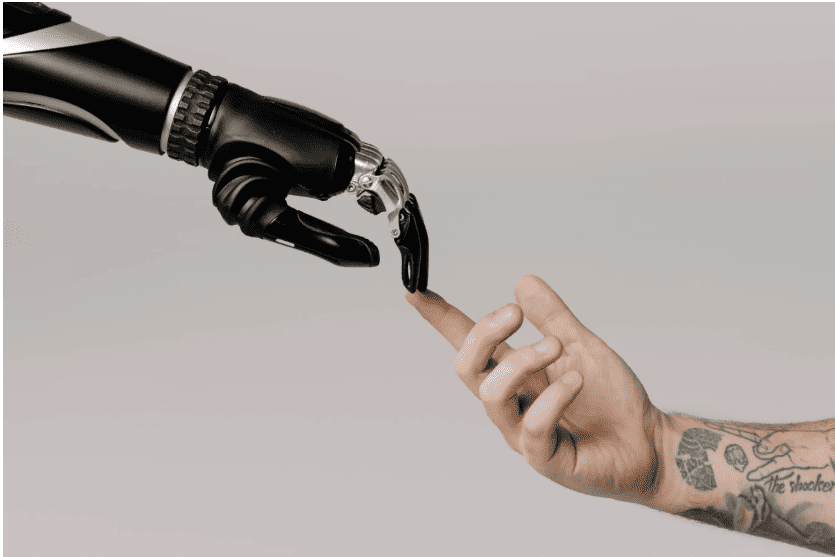
Among the most visible responses to this trend is the increasing use of artificial companions. These range from sophisticated artificial intelligence systems to hyper-realistic “reborn babies”, which are crafted to resemble real infants. For some people, these objects serve a therapeutic role. They help with grief, anxiety, or feelings of abandonment. For others, they become more than mere tools for comfort. They begin to take on the emotional role of human relationships.
This growing emotional investment has not gone unnoticed by the legal system. There have been documented cases in which separating couples dispute who should keep a reborn doll. While such cases may seem unusual, they reveal something profound. These dolls, initially intended for therapy or collecting, have started to fill social roles that were once held by real people. Even though courts frame these disputes in terms of property, the emotional weight behind them points to something much more significant.
From a philosophical perspective, this phenomenon aligns with the ideas of existentialist thinkers such as Jean-Paul Sartre, who believed that humans carry the burden of creating meaning in a world that offers none. When faced with isolation, people often reach out for connection wherever they can find it, even if that means forming attachments with inanimate or artificial entities. The philosopher Martin Buber made a distinction between two kinds of relationships. One is based on mutual presence and recognition, known as the “I-Thou” relationship. The other is the “I-It” relationship, which is more functional and distant. In an age where authentic encounters are becoming rare, many individuals retreat into interactions that do not require vulnerability.
The appearance of legal conflicts over reborn dolls adds another layer to this development. These artificial companions are not simply objects of comfort. For some, they are emotional anchors in a world that feels unstable or indifferent. They symbolise a shift in how we experience and express attachment. As our ability to connect with one another weakens, these substitutes fill the gaps left by fading human relationships.
This trend raises difficult questions. Are artificial companions just symbols of loneliness, or are they signs of a deeper breakdown in our capacity to connect? As the boundary between real and artificial continues to blur, we are forced to reconsider what human connection truly means in a society that increasingly turns to technology for intimacy.
Marcelo Henrique de Carvalho, PhD is a Brazilian lawyer and professor known for his work in human rights and public ethics. He blends legal expertise with journalism to shape debates on justice and democracy.
by Marcelo Henrique de Carvalho, PhD